Scandinavian vs. Minimalist Style: How to Choose a Sofa
Scandinavian and minimal styles both pursue uncluttered living rooms, so they are often seen as similar. Yet in the curve of the sofa, the thickness of its lines, and the warmth of its colors, the two styles clearly take different paths. This article sets the characteristics of both styles side by side and walks through what to consider when choosing a sofa.
By 홈 핏 가구 Editorial Team Published Reading time: about 7 min
Key Takeaways
-
Balance When mixing two styles, it is best to choose one statement piece as the focus and pick the rest to support it.
-
Reading the Space Choosing colors and materials according to the direction of the windows and the amount of light lets the same furniture create a mood that suits your home.
-
Lifestyle Criteria Rather than taste alone, deciding on a style by first considering what you do in the living room and how much time you have for tidying is the way to stay satisfied over the long term.
Basic Shape Characteristics of Scandinavian Style
Scandinavian sofas generally have rounded, soft forms. The heights of the armrests and backrest differ little, giving an overall sense of stability as if the sofa embraces you. Such shapes are often designed for comfortable sitting over long periods, which suits a living room centered on everyday life. That is why picturing a Scandinavian sofa naturally brings to mind a warm blanket and a book placed nearby.
In color as well, Scandinavian style favors gentle tones drawn from nature. Beige, oatmeal, pale grey, and brown tones reminiscent of wood texture are the most common. Low-saturation colors spread evenly across the space and create a calm impression. Mixing in fabrics or wool adds a soft texture, so the room stays cozy even in winter.
When choosing a Scandinavian style, it's worth checking the sofa's seat height and cushion thickness together. Even if the shape is rounded, cushions that are too thin won't give you the comfort you want. On the other hand, cushions that are too thick can make the whole silhouette look heavy. If you choose colors based on the room's natural light and wall color, the space and the sofa will blend together harmoniously.
The role of lines in minimalist style
In minimalist style, lines define the order of the space. The closer a sofa's armrests, backrest, and legs are to straight lines, the more polished the look becomes. With no unnecessary decoration, the thickness and proportion of the lines can become the entire design. That's why two minimalist sofas can look very different depending on how thin and precise their lines are.
Minimalist color palettes are built on neutrals such as white, black, and gray. Often, one or two accent colors are added very sparingly. Because the palette is simple, the sofa's form and material texture stand out even more. In a minimalist space, how cleanly the light casts shadows along the lines is also an important factor.
When choosing a minimalist sofa, it's a good idea to see how its lines relate to the other furniture in the room. When the straight lines of the table and storage units point in the same direction as the sofa's lines, the whole space feels stable. If the lines are too thin, the piece may look fragile, so it's safer to check its actual weight as well. Finally, make sure it doesn't obstruct your daily movement through the room.
The difference in mood between wooden and metal legs
In Scandinavian style, legs are usually made of wood. Wooden legs sit close to the floor, giving the sofa a grounded, stable feel. When the wood grain is visible, it brings out a warm and natural atmosphere that makes the whole room feel comfortable. Legs in a light natural wood tone blend naturally with the gentle colors of a Scandinavian living room.
Metal legs are mostly used in minimalist style. Thin, straight metal legs give the sofa a light appearance, as if the body is floating above the ground. The more floor you can see, the more open the space appears. Finishes such as black or matte silver make the lines sharper and emphasize a tidy look.
When choosing leg materials, it's also worth considering how they harmonize with the flooring. Wooden legs suit hardwood floors well, while metal legs look clean on tile or marble. Ease of cleaning is another factor. Checking whether dust easily collects between the legs and whether a robot vacuum can pass underneath will help reduce regrets in everyday life.
- Wooden legs create a warm and stable impression.
- Metal legs are light and make the floor appear more spacious.
- Choose the leg material to match the color and texture of your flooring.
- It's a good idea to check the cleaning route and the clearance under the legs in advance.
The balance to maintain when mixing two styles
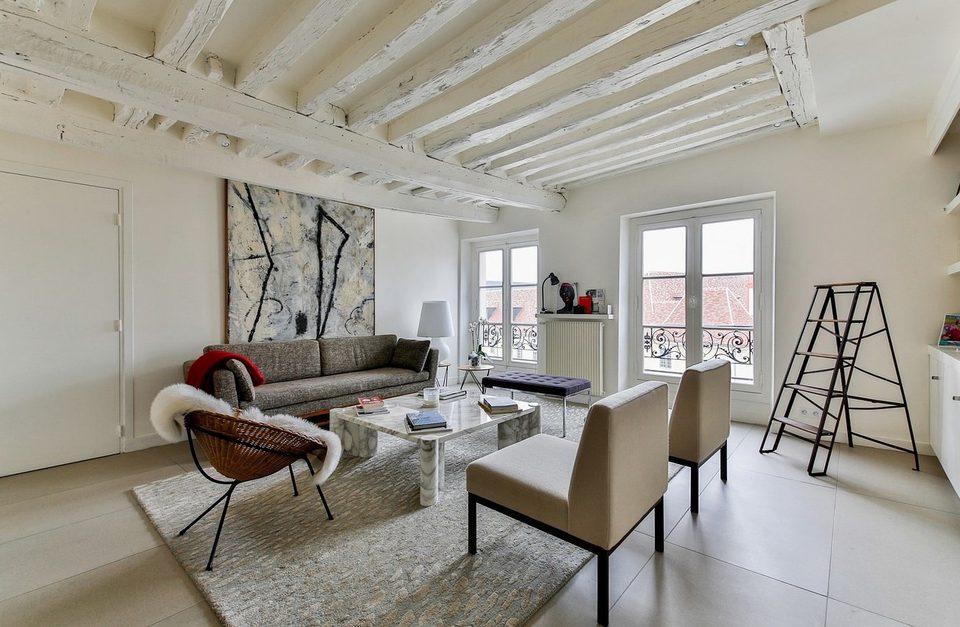
When mixing two styles, the first thing to decide is which one will take the central role in the space. Placing a Scandinavian sofa at the center and using minimalist lighting or a table as supporting pieces lets the overall flow feel natural. Conversely, if two elements compete with similar visual weight, the space can easily feel scattered. For this reason, we recommend choosing one main piece of furniture and selecting the rest to support its color and lines. This way, even when you combine several elements, the eye settles in one place and the result feels orderly.
Color balance also needs attention. Light oak wood, white walls, and beige or gray fabric are a combination both styles accept easily. Adding deep black metal or a dark-colored sofa creates contrast that brings out the minimalist feel. However, it's best to limit accent colors to two or three at most. Repeating the same color in several places around the room creates a sense of unity without making the space feel busy.
Finally, matching the height and visual weight of the furniture is important. Placing a tall display cabinet alongside a low, long Nordic sofa pulls the eye upward and throws the balance off. Aligning the top of the cabinet with the sofa back, or keeping the whole wall in a single tone, creates a sense of stability. The key is to draw on the strengths of both styles—open space and simplicity—so the best guideline is to own fewer things and leave empty space around them.
How to Combine Styles for a Korean Apartment Living Room
Korean apartment living rooms are often long rectangles or open layouts that flow into the kitchen. In such spaces, it works well to place the sofa against a wall and keep the other pieces low and slim. A Nordic sofa with light legs shows more of the floor, which makes the room feel larger than it is. Adding a minimalist low table and a thin rug keeps the walkways clear while completing a calm living room.
If your home has large windows and plenty of natural light, centering the room on light wood and white tones is a good choice. If your home faces north or gets little sun, beige or warm grey fabric adds a sense of warmth. Rather than relying on a single ceiling light, spread two or three floor and table lamps around the room so the space gains layers. Reading the direction of the light first and then choosing your furniture combination can give the same pieces a completely different mood from one home to another.
Before applying a combination for real, it helps to sketch the living room floor plan on paper and try moving the sofa, table and storage around. Checking both the first view from the entrance into the living room and the view from the seat of the sofa makes it easier to decide where decor should go. Rather than imagining the finished look, judging by actual measurements and walking paths is the surest way to avoid mistakes.
Daily Habits to Consider When Choosing a Style
When choosing a style, it is more practical to think about your daily habits before your taste. If several people lie on the sofa to rest every day, or the home doubles as a play area for children, sturdy construction and easy-care materials matter more than light Nordic forms. Conversely, if you spend long hours alone at home and enjoy keeping things tidy, a minimalist style is likely to suit your everyday life. Writing down what you do most in the living room over the course of a day will naturally reveal the right direction.
How often things need upkeep is also an important factor. A space with few objects and simple surfaces is easy to clean because there are fewer places for dust to collect, but small scratches and stains are more noticeable. A Nordic-style living room with many decorative pieces needs frequent tidying, yet it makes it easier to express personality. Honestly judging how much time you can spend on tidying and choosing a style to match is the way to stay satisfied over the long run.
Finally, consider the tastes of family members or anyone else you live with. If one person wants a minimal space while another wants something warm and cozy, it is best to look for the point where the two preferences meet. You can reflect each other's opinions in a single piece of furniture, or compromise on easily changed elements such as lighting and fabrics. Discussing your habits and tastes together makes choosing a style much easier.
- Write down the activity you spend the longest doing in the living room each day
- Check how much your pets or children use the sofa
- Realistically calculate the time you can spend on cleaning and tidying
- Ask in advance about the colors and textures your housemates prefer
- Separate low-maintenance materials from easily replaceable elements
This article is for general information only and does not replace professional advice.