Leather, Fabric, and Faux Leather: Sofa Material Comparison
When choosing a sofa, material matters just as much as color and shape. Leather, fabric, and faux leather each differ in texture, care method, and durability. In this article, we'll walk through which material suits different living environments and family arrangements.
By 홈 핏 가구 Editorial Team Published Reading time: about 11 min
Key Takeaways
-
Prioritize Your Lifestyle When choosing a sofa material, consider your family's daily routine and how much time you have for upkeep before color or design. This is the most important step.
-
Care by Material Leather requires attention to drying and direct sunlight, fabric to stains and lint, and faux leather mainly to high heat and coating thickness.
-
See It for Yourself Before buying, touch and rub the sample to check its feel and durability. Doing so can greatly reduce disappointment after real use.
Lifestyle Factors to Consider First When Choosing a Material
Before choosing a material, the first thing to consider is how often and in what way you use the sofa each day. Whether you tend to lean back and relax for long periods in the living room, or mainly use it to receive guests, will determine which material is suitable. The longer the hours of use, the more it's worth looking at materials whose surfaces don't wear down easily. Also, if the sofa is placed near a window and receives plenty of sunlight, check whether the material is resistant to fading.
How often you clean your home is also an important factor. If you vacuum regularly and wipe up stains right away, you can comfortably use materials that need a little more care. On the other hand, if it is hard to set aside regular time for maintenance, it is better to prioritize materials that are easy to care for when it comes to moisture and dust. Knowing a material's characteristics in advance can greatly reduce the inconveniences that may come up after purchase.
Finally, considering the mood of your home together with your budget makes the choice much simpler. Depending on whether you want a warm texture or a clean, orderly feel, the options naturally narrow down. Prices vary by material, so writing down your desired conditions from the start and comparing them will help you avoid overspending. Organizing your living conditions first and then choosing a material is the most reliable approach.
Pros and Cautions of Leather Sofas
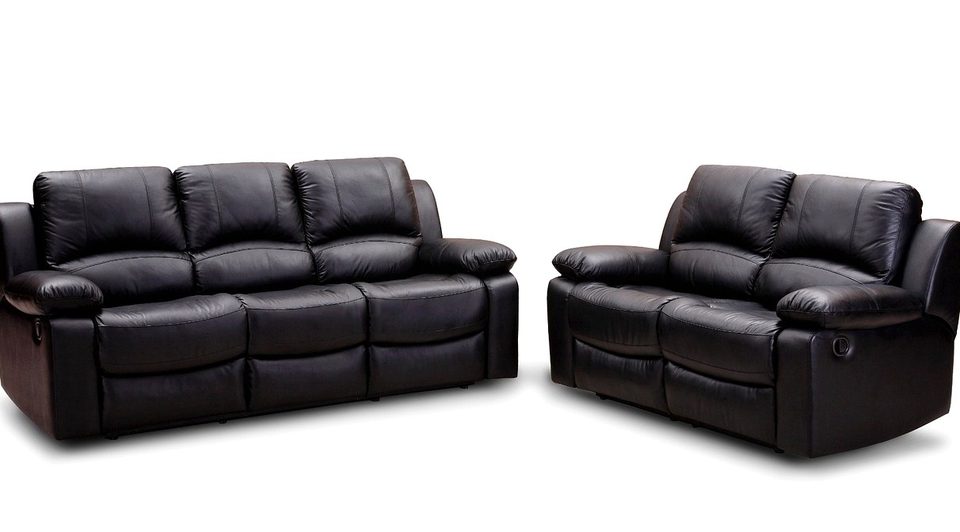
Leather sofas develop a distinctive sheen and natural creases over time, creating a deep, rich atmosphere. Their smooth surface makes it hard for dust to cling, and basic care is usually as simple as wiping them gently with a dry cloth. Many people choose leather because it feels better in the hand the more it is used. Keep in mind, however, that prices vary widely by leather type, and the feel and durability depend on the quality.
The main caution with leather sofas is sunlight and dry air. Prolonged direct sunlight can fade the color or cause the surface to crack, so it is wise to adjust placement away from the window. Sharp objects or pet claws can also leave scratches, so consider your living environment in advance. Regularly using a leather-specific cleaner and protector helps keep the surface in good condition for longer.
There are also differences in odor and in how leather responds to temperature. In summer it can feel slightly cool, and in winter it may feel somewhat firm. If this is uncomfortable, using cushions and a blanket together is one option. When choosing a leather sofa, it is important to check carefully in the product details whether it is genuine or synthetic leather and what the surface finish is like.
Fabric Sofa Texture and Care
The biggest appeal of a fabric sofa is its soft, cozy texture. Depending on the weave and thickness of the fabric, you can choose anything from a rough feel to a smooth one, making it easy to finely match the atmosphere of a space. The range of colors and patterns is also wide, so it suits expressing personality within your interior concept. However, fabric easily absorbs stains and dust, so it is important to learn the proper care methods in advance.
Caring for a fabric sofa starts with frequently removing dust using a vacuum cleaner. When a stain appears, dabbing and absorbing it works better than rubbing, as it reduces damage to the fabric. If the cover is removable, check the washing label and wash it periodically to keep it hygienic. If food or drinks are often spilled in the space, choosing a fabric with water-repellent treatment is also a good option.
Fabric stays clean for longer in a well-ventilated environment. Placed in a humid space, it can absorb odors and deteriorate, so please air the room often. Prolonged exposure to sunlight can gradually fade the color, so using curtains or blinds to reduce direct sunlight helps. If you want to lower the maintenance effort, consider short-pile or tightly woven fabrics that are easy to clean.
Environments Where Faux Leather Is Suitable
Faux leather is a synthetic material that imitates the look of real leather, and it is relatively easy to maintain and more affordable. Its evenly finished surface makes stains easy to wipe away with a damp cloth, and there is a wide selection of colors and textures. However, due to its nature, it is less breathable than real leather and may feel sticky in summer. Considering the conditions of your space and how you use it will help you clearly determine when faux leather is the right fit.
Faux leather suits the living room best, where furniture gets the most use but is hard to keep spotless. In a space where you often eat or snack, the non-absorbent surface makes cleanup much simpler. Even in a room that gets a lot of sunlight, choosing a product with fade resistance will keep it looking good for longer. It is also a practical choice for busy households with several family members who want to avoid the upkeep that real leather requires.
When choosing faux leather, take a close look at the feel of the surface and how the seams are finished. If the top coating is too thin, it can crack or peel with use, so it is safer to check the thickness and warranty terms. Consider how it pairs with the cushion filling as well, and see whether it wrinkles excessively when you sit down. Reading the cleaning instructions and approved cleaners in the manual ahead of time will help you avoid problems in everyday use.
Choosing furniture for homes with pets and children
Real leather develops a rich texture and a natural sheen that feel better the longer you use it. Creases and grain that form over time become part of its character and add warmth to a room. Its breathability also makes it relatively comfortable to sit on in summer. However, results vary greatly even among genuine leathers depending on the grade of the hide and the correction process, so reviewing the product details carefully before buying is essential.
To keep a leather sofa in good condition for years, first keep it out of direct sunlight and avoid letting indoor humidity drop too low. Dry air tends to cause leather to crack, so regularly using a dedicated cleaner and conditioner helps. If liquid spills, blot it immediately with a dry cloth rather than rubbing, which is the basic way to prevent surface damage. Positioning the sofa away from sharp objects and pets' claws will reduce scratches.
It helps to understand in advance that a leather sofa comes with both a higher price and ongoing care costs. Using strong detergents on a stain at random can actually cause the color to fade or the surface to be damaged, so caution is needed. Because of the material's nature, odors and deep-set stains can be difficult to remove. It is wise to honestly assess whether you can set aside enough time for care given your lifestyle before choosing it.
- Avoid placing it in direct sunlight or near heaters
- Blot wet stains immediately with a dry cloth
- Use a dedicated cleaner and conditioner regularly
- Prevent scratches from sharp objects and claws
How to check the feel and durability yourself
The soft, warm texture of woven fabric is the greatest appeal of a fabric sofa. Fabrics with visible grain or a well-defined weave show different looks depending on the light, adding depth to a space. They are cozy in a winter living room, and if the cover is removable, it is easy to change the feel with the season or your mood. Because texture and durability vary widely by fabric type, it is important to touch samples in person.
To keep a fabric sofa clean, start by checking the care symbols on the label. Most covers are safest cleaned by lightly dabbing with a diluted neutral detergent. Absorb stains with a dry cloth before they set, and avoid rubbing, which damages the fibers. Brushing off dust regularly with the brush nozzle of a vacuum cleaner will reduce debris that builds up deep within the fabric.
Fabric absorbs liquid, so food and drink stains can soak in easily, which is its main drawback. Light colors show stains more prominently, so it is best to choose a color that suits how the living room is used. If the fabric is prone to friction, it may pill, so checking the material's abrasion resistance rating can help. Even if care is a bit of a chore, choosing a model with removable covers makes washing and replacement much more convenient.
Faux leather is especially well suited to spaces that get heavy use and need frequent cleaning. It resists water and has a smooth surface, so you can wipe it down easily with a wet cloth or wet wipes, which keeps day-to-day upkeep simple. In homes with many family members or frequent guests, a surface that doesn't scratch easily also reduces the need for replacement. On the other hand, prolonged exposure to high heat can cause the surface to lift, so it's best to keep it away from heaters.
Faux leather often delivers colors that are more vivid and even than real leather, which makes it easy to express a clear interior concept. It fits naturally in Scandinavian or minimalist spaces, where a clean finish matters. However, if the texture feels too slick, a room can come across as cold, so consider softening it with cushions and rugs. Using the same material across your furniture creates a cohesive look that is easy to achieve.
When choosing faux leather, it's important to check the surface's abrasion resistance and its treatment against discoloration. Coating methods and thickness vary by manufacturer, so products with the same name can differ in durability. Before buying, ask for a sample swatch and rub it by hand several times to get a sense of how it will really feel in use. Considering the lighting and color tones of your space will also help you avoid disappointment caused by differences between photos and the real product.
In homes with pets or children, it's best to prioritize materials that can handle claw marks, drool, and frequent stains. Faux leather with a tight surface that wipes clean easily, or waterproof-treated fabric, is relatively easy to maintain. If you choose fabric, check whether the weave resists lint and pet hair and whether the cover is washable. Whatever material you choose, keeping several spare cushion covers on hand lets you swap them quickly when they get dirty.
If children often jump on or lean against the sofa, check the strength of the backrest and the stability of the frame. Overly soft cushions can increase the risk of a child falling, so a product with moderate firmness is safer. Rounded corners help reduce injuries in the event of a collision. Checking structural safety features alongside your choice of material can help lower the chance of accidents in everyday life.
Pets' claws and fur have the biggest impact on sofa materials. Leather can show scratches, and fabric tends to trap fur deep within it, so regular removal is necessary. For spots where pets often climb, using a throw or blanket to protect the surface is another option. Mapping out your family's daily habits in advance makes it easier to judge which material will fit best with the least hassle.
The most reliable way to choose a material is to touch it by hand and sit on it yourself. Even materials with the same name can feel and spring very differently depending on the manufacturer and finishing process. In the showroom, rub the sofa surface several times and lean back slowly to check how the backrest and cushions feel. Also observe how the color looks under natural light and under the store lighting, so you can picture the sofa in your home more accurately.
You can check durability with a simple test using a sample swatch. Rub the same spot several times with a cloth or your hand and look for any change in the surface to get a rough sense of its resistance to friction. After wiping a stain with a damp cloth, check whether the color fades or any marks remain. These checks help you anticipate problems that may arise in real-world use.
Once you have checked the feel and durability, it's wise to organize the purchase terms and care methods as well. Knowing the warranty period, exchange conditions, and whether covers can be replaced in advance can reduce future inconvenience. After installation, it's also helpful to note each material's care schedule on a calendar. Careful checking adds up, and it gives you a strong foundation for choosing a sofa you'll be happy with for years.
This article is for general information only and does not replace professional advice.